
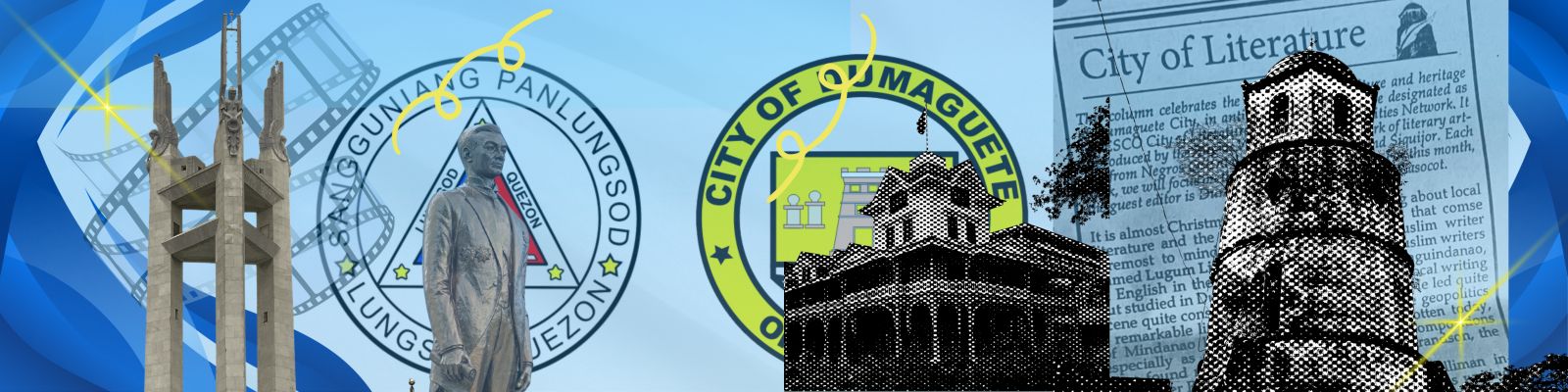
Two Philippine Cities, One Creative Future: Quezon City and Dumaguete Join UNESCO’s Global Network
I welcome the inclusion of Quezon City and Dumaguete City in the UNESCO Creative Cities Network (UCCN) 2025. As principal author of Republic Act No. 11904, or the Philippine Creative Industries Development Act (PCIDA), and former Chairman of the House of Representatives Special Committee on Creative Industries, I view this recognition as a major milestone for the Philippine creative sector.
Quezon City’s designation as a UNESCO Creative City of Film and Dumaguete City’s recognition as a UNESCO Creative City of Literature place
both cities within a global network that leverages culture and creativity as drivers of sustainable development. This recognition affirms what Filipino creatives have long demonstrated: that our stories, skills, and cultural expressions are globally relevant, economically valuable, and deeply rooted in community.
Announced by UNESCO on World Cities Day 2025, this latest round admitted 58 new cities, bringing the Network to 408 cities across more than 100 countries, spanning creative fields such as Film, Literature, Music, Design, Gastronomy, Media Arts, Crafts and Folk Art, and Architecture. Quezon City’s designation reflects its enduring role as the center of Philippine cinema—from the Golden Age studios to today’s dynamic film ecosystem —while underscoring the importance of creative governance that protects workers, professionalizes the industry, and expands platforms for Filipino filmmakers locally and globally.
Dumaguete City’s inclusion, meanwhile, honors a vibrant literary tradition sustained by institutions, writers, and communities that value ideas, language, and critical thought, demonstrating that creative leadership thrives where culture is deliberately nurtured. Together, these twin recognitions align with the vision behind the PCIDA, which established a whole-of- government framework to support creative industries, strengthen local ecosystems, protect creative workers, and link culture with economic development and international engagement.
These designations show what becomes possible when national policy, local leadership, and creative communities work together. Creativity remains one of the Philippines’ greatest and most renewable strengths—and investing in our cities and creatives strengthens our economy, identity, and global voice.