
From Local Tables to the World Stage: Filipino Cuisine Gains MICHELIN Recognition
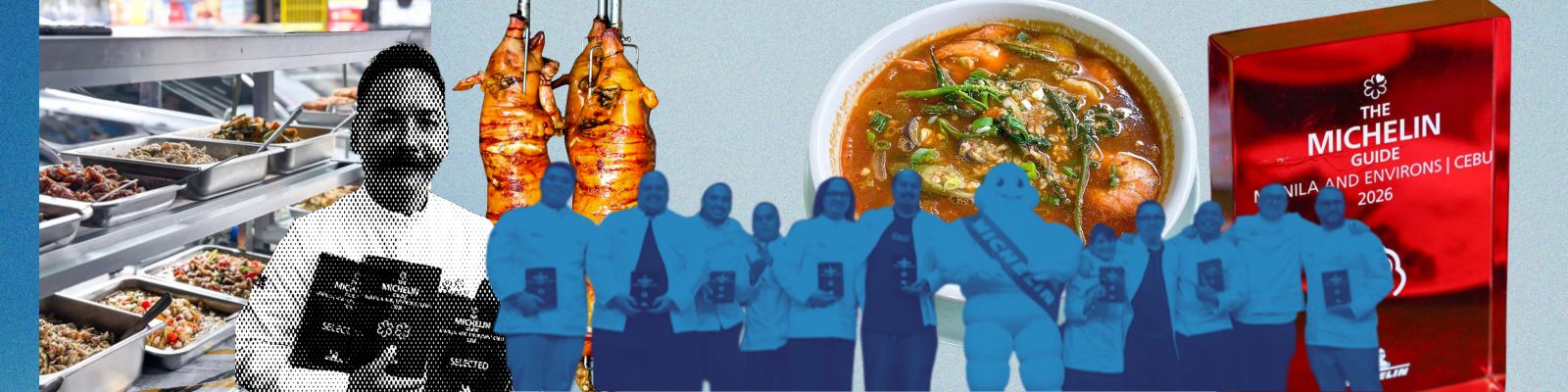
The inclusion of Philippine restaurants in the inaugural MICHELIN Guide Philippines – Manila & Environs & Cebu 2026 marks a historic breakthrough for Filipino gastronomy, tourism, and the country’s creative economy. This recognition affirms the talent, discipline, and cultural depth of Filipino cuisine and signals its rightful place on the global stage.
Announced on October 30, 2025, the Guide features 108 establishments across Metro Manila, its environs, and Cebu, including one Two-Michelin-star restaurant, eight One-Michelin-star restaurants, 25 Bib Gourmand awardees, and 74 MICHELIN Selected establishments.
I note with pride the inclusion of seven Quezon City restaurants, reflecting the city’s vibrant, diverse, and accessible food culture. These accolades honor excellence at every level—from world-class kitchens to everyday establishments rooted in place, memory, and community.
This milestone is the result of sustained policy work recognizing gastronomy as a core creative industry. As former Chair of the House of Representatives Special Committee on Creative Industries, I led initiatives that framed gastronomy as a traditional cultural expression encompassing haute cuisine, regional foodways, and everyday Filipino cooking shaped by geography, history, and terroir. The Committee advanced key policy directions to strengthen the gastronomy value chain, including integrating agriculture and small producers, protecting creative labor, strengthening human resource development, and promoting gastro-diplomacy.
In line with these efforts, I filed House Bill No. 619 in the 19th Congress to institutionalize support for Philippine gastronomy and culinary heritage as drivers of cultural identity, economic growth, and sustainable tourism. This advocacy complements global recognition such as the MICHELIN Guide and milestones like Iloilo City’s designation as the Philippines’ first UNESCO Creative City of Gastronomy.
As Filipino cuisine continues to gain international recognition, sustained collaboration among government, industry, academe, and the creative sector remains essential to ensure inclusive and sustainable growth that uplifts culinary workers and local communities.